Key Takeaways
Residential turf installation La Jolla CA is most successful when the project is planned around drainage and base preparation, then finished with careful seam, edge, and infill detailing for a smooth, stable, natural-looking result. Cost differences between bids are usually driven by scope details like demolition and hauling, base depth and compaction, drainage additions, and labor-intensive transitions—not just square footage.
- Drainage-first planning: Installers typically start by mapping low spots, runoff paths, and hardscape transitions, because on coastal and sloped La Jolla properties uneven grades and poor drainage can lead to wrinkles, seam separation, standing water, or premature wear.
- Base quality drives long-term performance: A compacted aggregate base installed in lifts and final-graded to guide water is the key layer that resists rutting and shifting, but limitations remain if the subgrade is unstable or if irrigation/drainage continuously saturates one area.
- Bid comparisons require scope specifics: To avoid change orders or shortcuts, confirm each estimate includes the same details for demolition/haul-away, excavation depth and finished height, base material and compaction method, seam placement and joining method with grain alignment, edge restraint and fastening, infill type/amount with power-brooming, cleanup, and workmanship warranty terms.
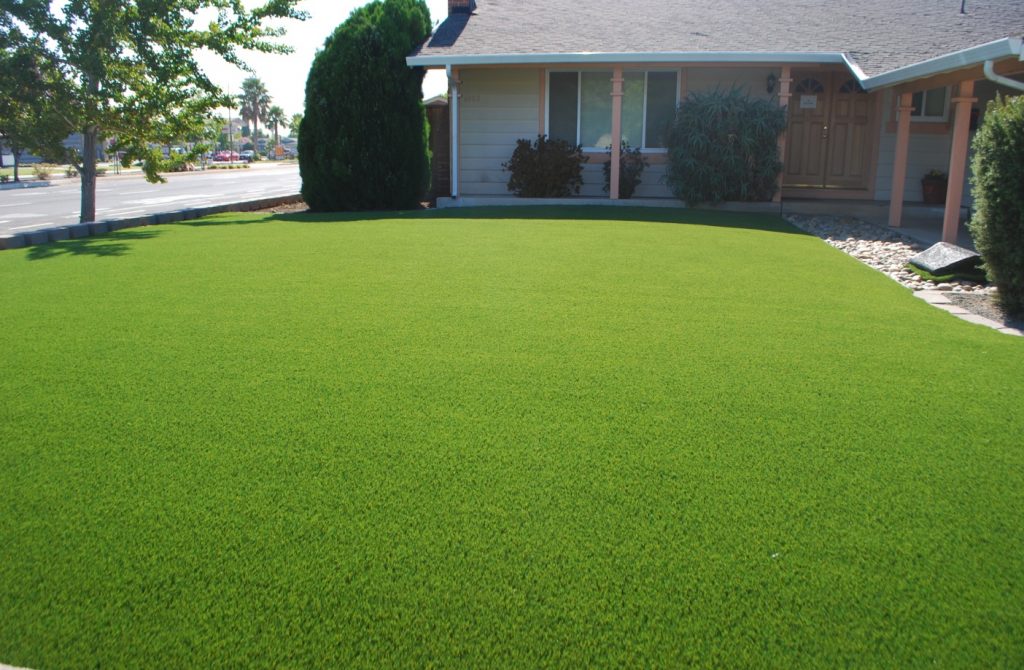
Residential turf installation La Jolla CA typically involves evaluating drainage and grading, removing existing grass, building a compacted base, and securing and infilling synthetic turf for a stable, natural-looking finish.
In coastal neighborhoods like La Jolla, contractors often pay close attention to water management and soil conditions because uneven grades and poor drainage can lead to wrinkles, seam separation, or premature wear. Pricing commonly varies with site access, demolition and hauling needs, base depth and material, drainage additions, edging and transitions to hardscape, and the type of infill selected for comfort and heat management.
This guide breaks down the typical installation process, the main cost drivers for residential projects, and how to compare bids by confirming scope details such as base preparation, seam methods, drainage plan, cleanup, and workmanship warranty terms.
What to Expect During Residential Turf Installation in La Jolla, CA
Most residential turf installation La Jolla CA projects follow the same core phases: site evaluation, demolition, base construction, turf layout, seam and edge reinforcement, and infill/finishing. The details matter in coastal conditions, where grades, moisture movement, and access constraints can make or break long-term results.
While every yard is different, reputable installers typically begin with a walkthrough to identify low spots, runoff paths, and how the new surface will transition into patios, steps, planters, and driveways. This is also when you’ll confirm how water will move off the turf, which is especially important on sloped lots and near hardscape where water can concentrate.
- Site check: measure square footage, identify slopes, and plan drainage paths.
- Removal: strip sod/weeds and remove existing base material if it’s unstable or contaminated.
- Base build: install and compact aggregate in lifts to create a firm, drainable foundation.
- Turf install: roll out, cut, seam, secure, and detail edges.
- Infill + brush: apply infill (as specified) and power-broom to stand fibers upright.
Step-by-Step Installation Process (And Why Each Step Matters)
A quality installation is mostly about what’s under the turf and how edges, seams, and drainage are handled. Below is a practical, bid-comparison-friendly breakdown of the typical process.
1) Site evaluation: grade, drainage, access, and transitions
The planning phase determines whether the final lawn looks smooth, drains predictably, and integrates cleanly with the rest of your landscape. In La Jolla, installers often prioritize water flow management because coastal fog, occasional downpours, and hillside lots can expose weak drainage plans quickly.
Expect your contractor to discuss how water currently behaves and where it should go after installation. If you have downspouts, pool decking, retaining walls, or a patio that funnels runoff, those conditions should be accounted for in the plan.
- Where does runoff enter the area (roof lines, drains, slopes)?
- Where can water safely exit (existing drains, landscape drains, street-facing slope)?
- Are there “bowls” that will hold water unless regraded?
- What edging or border will contain the base and turf?
- How will turf meet concrete, pavers, decomposed granite, or mulch?
2) Demolition and excavation: removing sod, weeds, and unstable soils
Removal is more than “pulling grass”—it’s about eliminating organic material that decomposes and causes settling. If the old lawn was lumpy or had invasive roots, a more thorough excavation may be required to avoid bumps and unevenness later.
Access is a real-world factor in many La Jolla neighborhoods: narrow side yards, stairs, and limited staging space can influence labor time and hauling. Clarify whether your bid includes debris haul-away and how installers will protect nearby hardscape during removal.
- Cut and remove existing turf/vegetation.
- Excavate to the planned depth for base material (depth varies by site conditions and use).
- Dispose of green waste/soil per the agreed scope.
- Address roots or soft spots that could create future depressions.
3) Base construction: the foundation that controls smoothness and drainage
The base is the most important long-term performance layer because it resists rutting, controls drainage, and supports seams and edges. A well-compacted aggregate base helps prevent wrinkles, dips, and shifting—especially on slopes and along curves.
Contractors typically install base material in lifts and compact each layer. If you’re comparing bids, ask how compaction will be done and whether the base will be shaped to guide water toward a drain, swale, or safe outlet.
- Aggregate selection: often a crushed rock/aggregate blend that compacts well and still allows drainage.
- Compaction: typically using a plate compactor; multiple passes are common for stability.
- Final grading: shaping the surface to avoid birdbaths and visible undulations.
- Weed barrier (when specified): can help reduce weed intrusion, but it doesn’t replace good edge control.
Limitations to understand: even a great base can settle if the subgrade is unstable or if irrigation/drainage continuously saturates one area. If your yard has known soil movement, hillside seepage, or prior settling, it’s worth discussing mitigation options before the turf goes down.
4) Drainage plan: when to add drains, gravel trenches, or tie-ins
Some yards drain fine with proper grading alone, while others need additional drainage features to prevent standing water. The right approach depends on slope, soil permeability, nearby hardscape, and whether runoff concentrates in one spot.
Drainage upgrades should be clearly described in the scope, including where lines discharge and how they’ll be protected from clogging. If a contractor recommends drains, ask what specific problem they’re solving and how they confirmed it.
- Regrade only: may work if the area already has consistent fall and an outlet.
- Area drains/channel drains: useful where water collects at a low point near patios or walls.
- French drains or gravel trenches: can help intercept subsurface moisture or relieve localized pooling.
- Drain tie-ins: if connecting to an existing drainage system, confirm the condition and capacity of that system.
5) Turf layout, seam placement, and grain direction
Professional-looking turf starts with smart layout: minimizing seams, aligning grain direction for consistent color, and hiding seam lines from primary viewing angles. Seams are not inherently “bad,” but poor seam technique can show, separate, or wrinkle over time.
Ask where seams will land and how they’ll be joined. In tight courtyards or front yards with strong sightlines from the street, seam planning often makes the difference between “obviously synthetic” and “clean and natural.”
- Grain direction: affects sheen and perceived color; consistent direction reads more uniform.
- Seam location: avoid high-traffic lines and prominent viewing angles when possible.
- Seam method: typically seam tape + adhesive; workmanship and curing conditions matter.
- Pattern matching: if the turf has a thatch pattern, alignment helps seams disappear.
6) Edge restraint and securing: keeping turf tight and crisp
Edges are where turf most often fails visually—lifting, fraying, or creating gaps against concrete and planters. Solid edge restraint and frequent securing points help keep the perimeter tight and prevent movement from foot traffic, pets, or thermal expansion.
Clarify exactly how edges will be anchored at transitions. For example, turf against a concrete walkway may be secured differently than turf against soil or a raised planter wall.
- Perimeter fastening: nails/spikes are common along edges where allowed by the base design.
- Bender board/edge restraint: can create clean lines and contain base material on borders.
- Hardscape transitions: require precise cutting and stable attachment to avoid “wiggly” lines.
- Seam reinforcement near edges: helps reduce peel-back over time.
7) Infill selection and finishing: feel, stability, and heat considerations
Infill helps weigh turf down, supports fiber blades, and influences cushioning and play feel. The best infill depends on how you use the yard (kids, pets, lounging, putting) and how much sun exposure the area receives.
In coastal La Jolla microclimates, temperature and moisture vary by exposure (full sun vs. marine layer shade). Your installer should explain the tradeoffs of the proposed infill and how it impacts maintenance.
- Stability: adequate infill reduces shifting and helps turf maintain a consistent look.
- Comfort: some infills feel softer underfoot than others.
- Odor management (pet areas): may require targeted maintenance and occasional refresh.
- Long-term upkeep: some infills migrate or compact and need periodic top-off and brushing.
If you’re noticing matting, odor, or the surface feels “off,” it may be time to review your infill condition and maintenance routine. You can learn common indicators in 5 signs that you should replace your artificial grass infill material in La Jolla.
Main Cost Drivers for Residential Turf Projects
Residential turf pricing varies mostly with site complexity, prep work, and finish details—not just square footage. Understanding the variables helps you compare bids accurately and avoid scope gaps.
When reviewing estimates for residential turf installation La Jolla CA, treat “materials + labor” as a starting point and dig into what’s included. The same size yard can cost very different amounts depending on demolition, base depth, drainage work, and edging.
- Demolition and hauling: removing sod, roots, old base, and disposing of debris.
- Excavation depth and base volume: deeper, more engineered bases cost more but can improve performance.
- Drainage additions: area drains, channel drains, gravel trenches, and tie-ins add labor and materials.
- Access constraints: stairs, narrow passages, and limited parking increase labor time.
- Seam complexity: curves, islands, and multiple sections increase cutting and seam work.
- Edging and transitions: bender board, mow strips, and clean hardscape interfaces are labor-intensive.
- Infill type and amount: choices affect comfort, stability, and maintenance demands.
Material Choices That Affect Performance (Not Just Appearance)
Synthetic turf products vary widely in fiber shape, density, backing, and intended use. Choosing the right configuration reduces glare, improves recovery after foot traffic, and supports drainage and durability.
For homeowners comparing options, it helps to think in terms of “use case.” A front yard display lawn may prioritize visual realism, while a dog run may prioritize drainage and cleanability, and a family play area may prioritize cushioning.
| Decision Area | What to Compare | La Jolla Project Considerations |
|---|---|---|
| Base preparation | Excavation depth, aggregate type, compaction method, final grading tolerance | Sloped lots and coastal moisture make compaction and drainage shaping especially important to avoid ripples and low spots. |
| Drainage approach | Regrade-only vs. added drains/trenches; discharge location; cleanouts | Confirm where water exits the turf area so runoff doesn’t collect against patios, walls, or planters. |
| Seams and layout | Seam placement plan, seam tape/adhesive method, grain direction alignment | Front yards and view corridors benefit from seam minimization and consistent grain to reduce visible shading differences. |
| Edges and transitions | Edge restraint type, fastening schedule, detail work at concrete/pavers/steps | Clean borders matter for curb appeal; weak edges can lift over time with foot traffic and temperature swings. |
| Infill and finishing | Infill type, depth, brushing plan, top-off expectations | Ask how infill choice affects heat, comfort, and odor management in sunny vs. shaded coastal exposures. |
How to Compare Turf Installation Bids (Scope Checklist)
The easiest way to compare bids is to confirm that each contractor is quoting the same scope: demolition, base depth, drainage, seams, edges, infill, and cleanup. Small scope omissions can turn into change orders or shortcuts.
Ask for written specifics rather than general phrases like “install turf with base.” If two bids differ significantly, it’s often because the base, drainage, or disposal scope differs—not necessarily because one is “overcharging.”
- Demolition: What exactly is removed, and is haul-away included?
- Excavation depth: How deep is the dig, and does it account for final finished height?
- Base material: What material is used, and how will it be compacted?
- Grade plan: How will water exit the area, and where does it go?
- Seams: How many seams are expected, and what joining method is used?
- Edges: What edge restraint is included (if any), and how are borders fastened?
- Infill: What type, how much, and is power-brooming included?
- Cleanup: Is sweeping/blowing of adjacent hardscape included?
- Warranty terms: What is covered (seams, lifting, workmanship), and what maintenance is required to keep coverage valid?
Choosing Turf for Your Yard: Front Yards, Backyards, Kids, and Pets
The “right” turf installation depends on how the space is used and what problems you’re trying to solve—mud, high traffic, irrigation limits, or pet wear. Matching product and build details to the use case helps your lawn look better and last longer.
Front yard curb appeal and low-maintenance landscaping
Front yards usually emphasize clean edges, realistic color, and consistent grain direction. They also benefit from thoughtful transitions to sidewalks, driveways, and planting beds.
- Plan borders for crisp lines (especially along concrete).
- Minimize seams in the primary street view.
- Confirm how sprinklers will be capped, rerouted, or repurposed for planters.
Backyards for entertaining and everyday use
Backyards often prioritize comfort underfoot and durability for frequent traffic. If you host gatherings, pay special attention to drainage at patio edges and door thresholds to reduce tracked-in grit and puddling.
- Ask about stabilization in high-traffic paths.
- Consider how furniture legs and fire pits will sit on the surface.
- Plan access points for maintenance brushing and occasional rinsing.
Pet areas: drainage, odor control, and digging prevention
Pet turf setups typically require a drain-forward design and a maintenance routine that matches your dog’s use patterns. If digging is a concern, edge reinforcement and perimeter detailing become even more important.
For practical ways to discourage digging behaviors and protect edges, see 5 tips to prevent your pets from digging artificial grass in La Jolla.
Maintenance After Installation: What Homeowners Should Plan For
Artificial turf is lower maintenance than natural grass, but it’s not maintenance-free. Routine brushing, debris removal, and occasional rinsing help keep fibers upright and the surface draining correctly.
La Jolla’s coastal air can carry fine dust and organic debris, and shaded areas may collect more leaf litter. Creating a simple schedule helps protect the look and feel you paid for.
- Weekly/as needed: remove leaves and debris to protect drainage openings.
- Monthly/as needed: brush against the grain to lift fibers and redistribute infill.
- After heavy use: spot-clean spills and check seams/edges for early lifting.
- Pet areas: rinse as needed and remove solid waste promptly to reduce odor buildup.
If you prefer to have a pro handle periodic upkeep like power brushing and infill checks, turf maintenance can help extend the surface’s appearance and performance over time.
Understanding Limitations and Common Problems (So You Can Prevent Them)
Most turf issues come from base problems, drainage oversights, or weak seam/edge workmanship—not from the turf “going bad.” Knowing the common failure points helps you ask better questions before installation.
- Bumps or depressions: often caused by insufficient compaction or leftover organic material that decomposes.
- Wrinkles or ripples: can result from shifting base, poor anchoring, or heat-related movement without proper restraint.
- Visible seams: commonly due to misaligned grain direction, poor trimming, or inadequate seam bonding.
- Standing water: usually indicates an inadequate slope to an outlet or a blocked drain path.
- Odor in pet zones: may require routine rinsing, proper drainage design, and periodic infill evaluation.
When researching turf in general, it can also help to understand how artificial turf is constructed and used across different applications, since residential products and installation methods vary.
Planning a Smoother Project From Day One
A successful residential turf installation starts with clear scope, realistic expectations about site conditions, and a drainage-first mindset. If you confirm the base plan, seam/edge methods, infill choice, and cleanup details upfront, you’ll be in a strong position to compare bids and avoid surprises.
As you narrow down options, consider whether your needs are primarily cosmetic (curb appeal), functional (pets and heavy use), or corrective (fixing drainage and muddy zones). From there, you can align the turf type, base build, and finishing details to the way your La Jolla yard actually gets used.
Frequently Asked Questions
Get a Clear, Comparable Turf Installation Plan for Your La Jolla Home
If you’re considering synthetic turf, the biggest differences in results often come down to what’s included in the scope—base depth, compaction approach, drainage plan, seam placement, and edge detailing. Reaching out now can help you confirm what your site needs based on grading, access, and how you use the yard (pets, entertaining, or curb appeal).
A quick conversation can also reduce the risk of surprise change orders by clarifying demolition/haul-away, transitions to hardscape, infill selection, cleanup expectations, and workmanship warranty terms before you commit.